
Neurobiology-driven engineering: New technologies expanding gut–brain research
The gastrointestinal tract is governed by the enteric nervous system (ENS), a complex neural network often described as the body’s “second brain.” Yet despite its critical role in health and disease, studying ENS structure and function at meaningful biological scales has remained a persistent challenge.
Two new publications from Wyss Geneva’s NeuroGI team, released in Nature Communications and Communications Biology, introduce new technologies designed to address this gap.
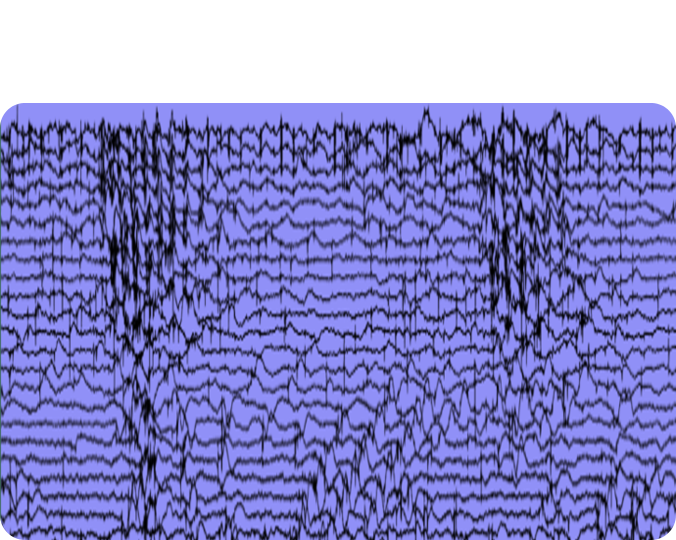
A miniature endoscope for recording gut electrical activity
Wyss Geneva researchers have developed a miniaturized endoscope capable of capturing high-resolution electrophysiological recordings directly from the colon of live mice, without requiring invasive surgery. Equipped with 128 iridium oxide recording sensors, the device enables researchers to observe how smooth muscle action potentials organize into complex spatiotemporal patterns along the gastrointestinal tract. These recordings reveal how electrical activity changes in response to pharmacological agents that stimulate or suppress cholinergic neurotransmission, as well as compounds known to disrupt enteric neural function. This innovation addresses a long-standing limitation in neurogastroenterology, enabling researchers to investigate how gut electrical activity is coordinated in vivo and opening new opportunities to study disease mechanisms, genetically modified models, and therapeutic interventions.
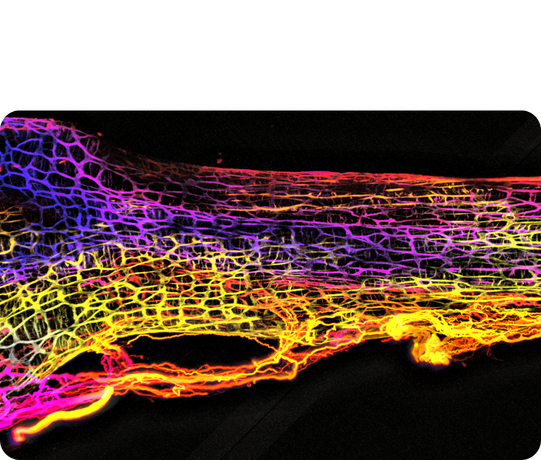
enGLOW: Imaging the enteric nervous system in 3D
While functional recordings reveal dynamics, understanding the involvement of ENS also requires visualizing its structure. The NeuroGI team has developed enGLOW (enteric network Gastrointestinal Lightsheet Optical Workflow), a customized 3D microscopy workflow enabling organ-scale investigation of the ENS in cleared human and mouse gut tissues. enGLOW supports quantitative analysis across cubic centimeters of intact tissue, bridging a critical gap between cellular imaging and whole-organ investigation. By combining advanced tissue clearing, labeling, and computational segmentation, the workflow supports high-resolution visualization of ENS networks, quantification of intestinal wall architecture, separation of neuronal plexuses through virtual tissue flattening, and comparative analysis across species and disease models. By making large-scale ENS morphology measurable, enGLOW significantly expands the experimental toolkit for studying gastrointestinal disorders.
Toward an integrated understanding of the gut–brain axis
Disorders involving the gut–brain axis, including motility disorders, inflammatory diseases, and functional gastrointestinal conditions, remain insufficiently understood. Progress in this field depends on tools capable of capturing biological complexity across scales, from cellular organization to system-level dynamics. By enabling both in-vivo high-resolution functional recordings and ex-vivo organ-scale structural imaging, Wyss Geneva’s NeuroGI team introduces powerful new technologies for gut–brain research. These technologies broaden research possibilities and enable the development of new therapeutic strategies addressing gut-brain interaction and neurological disorders.