
In-body bioelectronics: Toward a new era of precision care
In a new article published in Nature Communications, Wyss researchers explore how next-generation bioelectronic systems are redefining the way we sense, adapt, and treat disease from within the body.
From pacemakers to brain stimulators, bioelectronic devices have already changed the lives of many patients, but a new generation of technologies is now pushing the field further. In a newly published Nature Communications Perspective, Wyss researchers, together with other experts in the field, highlight how in-body bioelectronic systems are reshaping the way we diagnose, monitor, and treat disease.
This could mark a major shift in medicine: from treating symptoms only after they appear to continuously monitoring physiology and intervening with far greater precision. From soft, tissue-like materials that integrate seamlessly with living systems, to ingestible capsules that sense and stimulate the gut, to advanced neuromodulation approaches where nerve cells can be controlled with light, the field is rapidly evolving toward more precise and personalized treatments.
From single-function devices to adaptive systems
Traditional medical devices typically perform one function—either sensing or treatment. New bioelectronic systems integrate both, enabling closed-loop operation: detecting changes in the body and adjusting therapy accordingly. This allows more precise, personalized interventions tailored to each patient.
Materials and devices designed for the body
Progress in the field is driven in part by soft, flexible materials such as conductive hydrogels, which better match the body’s natural properties and improve long-term integration with tissues. At the same time, bioresorbable devices are emerging for short-term use. These systems can monitor or treat patients for a defined period before safely dissolving, reducing the need for additional procedures.
Expanding access through ingestible devices
Ingestible bioelectronics offer a minimally invasive way to monitor and interact with the gastrointestinal tract, a system closely linked to metabolism, immunity, and brain function. These swallowable devices can measure physiological signals or deliver targeted stimulation, and future systems are expected to integrate both capabilities to enable localized, responsive therapies.
Toward more precise neuromodulation
The nervous system remains a central target for bioelectronic medicine. While electrical stimulation—such as deep brain and vagus nerve stimulation—has enabled major advances, it lacks the ability to selectively target specific neuron types. Emerging approaches like optogenetics aim to overcome this limitation by combining gene therapy with light-based stimulation, allowing precise activation or inhibition of defined neural populations. This could improve treatment specificity and reduce side effects in neurological and neuropsychiatric disorders.
In parallel, closed-loop neuromodulation systems are being developed to link real-time neural recordings with adaptive stimulation. By detecting abnormal activity such as seizures or movement disorders, these systems can respond instantly with tailored interventions.
AI and the rise of intelligent bioelectronic systems
Artificial intelligence is becoming a key enabler of next-generation bioelectronics. By analyzing complex physiological data, AI can detect subtle patterns and guide real-time therapeutic decisions. In neuromodulation, this allows systems to adjust stimulation based on patient response, improving outcomes while limiting side effects. More broadly, integrating sensing, computation, and adaptive control is transforming bioelectronic devices into dynamic, learning systems. In this context, AI acts as a clinical copilot, supporting, not replacing, medical decision-making.
A more responsive future for healthcare
Together, these advances point toward a future where medical devices move beyond fixed treatments to become adaptive systems, capable of sensing, interpreting, and responding to the body in real time.
While challenges remain—from regulatory pathways to large-scale manufacturing—the field of in-body bioelectronics is steadily advancing toward clinical reality.
By integrating advanced materials, precise neuromodulation, and AI-driven intelligence, these technologies have the potential to reshape healthcare, making it more precise, personalized, and adaptive.
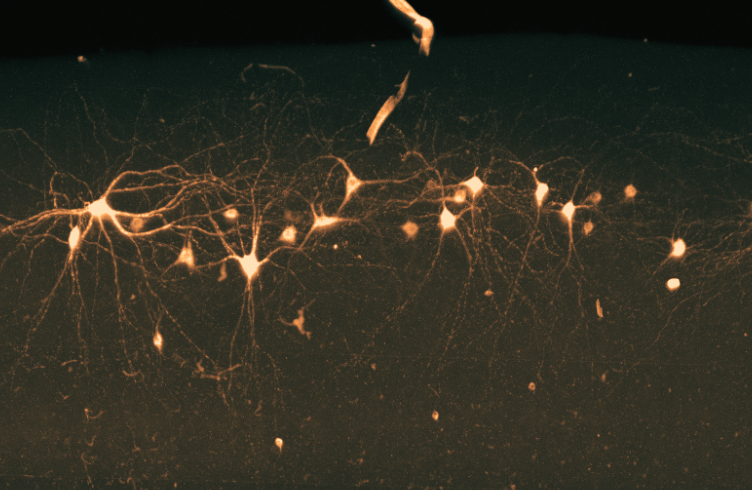
Transforming healthcare through in-body bioelectronic systems
Nature Communications
Authors:
Steven Ceto, Stacey Amanda Elshove, Mingzheng Wu, Khalil Ramadi, Christoph Tondera, Ivan Rusev Minev, Shriya Srinivasan, Kyuhwa Lee, Michalina Gora, John Rogers, Claudia Kathe and Thomas Hutson