
Geneva’s leading hub for AI, research, and neurotechnology, driving the future of patient care

Where patient-centric AI and neurotechnology come together
At Geneva’s AI Hub, innovation starts with real people.
Clinicians, researchers, and AI experts work side by side to create the next generation of precision medicine—solutions inspired by the real needs of patients and healthcare teams.
Powered by AI and real clinical data, the Hub aims to enable earlier diagnoses, personalized treatments, and better outcomes across neurology and psychiatry. Each project shows what’s possible when AI innovation is designed with—and for—patients.
Spanning 1,000 m² of collaborative space, the AI Hub is where science, technology, and care come together to transform brain health.
Founding partners



dEEGtal Insights: AI built for patients, powered by clinical data
The AI Hub is committed to improving everyday life for people living with neurological and mental health challenges by ensuring that patients are the starting point—and ultimate beneficiaries—of every project. By deeply integrating patient needs, lived experiences, and real-world data into the design of new technologies, the Hub creates solutions that are more precise, accessible, and responsive to what individuals truly face in their daily lives. Through the convergence of neural circuit science, closed-loop neuromodulation, and advanced brain data analytics, we connect clinical care, research, and engineering into a unified pathway that accelerates the development of safe, personalized therapeutic tools. This approach ensures that innovations are not only scientifically rigorous, but also meaningful, usable, and ready to make a tangible difference in patient care and wellbeing.
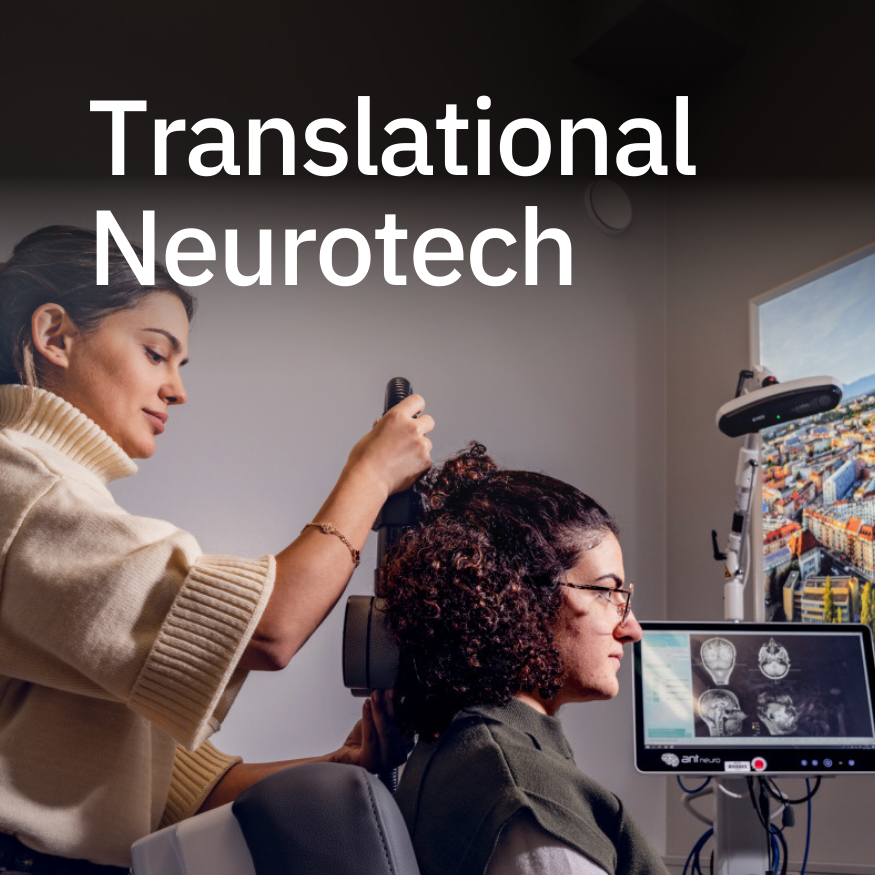

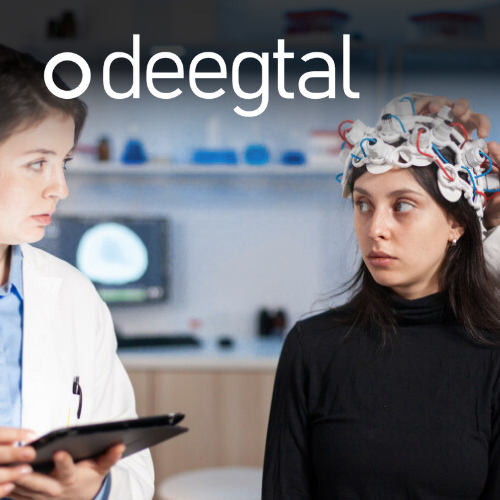
Our therapeutic neurotechnology suite focuses on human-centered neuroengineering in close collaboration with patients and HUG clinicians to ensure patients have access to cutting-edge technologies for their specific needs. It also enables translational clinical research in a care setting, leading to accelerated implementation of new discoveries and technologies into clinical practice.
The AI-Ready Brain Data Alliance builds the groundbreaking brain data science platform of the Hub’s translational mission.
By uniting clinical practice with advanced AI pipelines, including Brain Data Lab, and linking them to supercomputing resources, it enables the creation of foundation models for symptom decoding, cross-modal integration, and real-time network stimulation strategies.
This will accelerate regulatory filings, IP generation, and venture creation, ensuring that the platform is not only a scientific asset but also a driver of commercialization and societal impact.
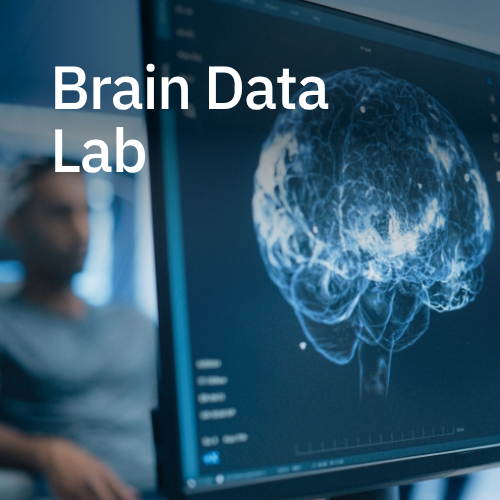
The Brain Data Lab will be the place where patients directly benefit from the power of AI-driven neuroscience, turning complex brain and behavior measurements into actionable insights for care.
By bringing together information about how people think, feel, and behave—with brain activity recorded through safe, non-invasive tools—the Lab will help clinicians understand each patient’s unique “brain profile.” This evidence will guide decisions about who might benefit from neuromodulation therapies, and exactly how and when those treatments should be delivered for maximum effect.
Working in harmony with the Brain Data Alliance and cutting-edge computing resources, the Brain Data Lab ensures that advances in digital phenotyping translate into more precise, gentler, and more effective therapies.
Ultimately, it gives patients access to personalized brain-health solutions designed to reduce symptoms, improve daily functioning, and offer new hope for conditions that have long been difficult to treat.
Vibrant aims to bring a new level of support to people living with anxiety by offering an accessible, personalized, and engaging digital therapeutic experience.
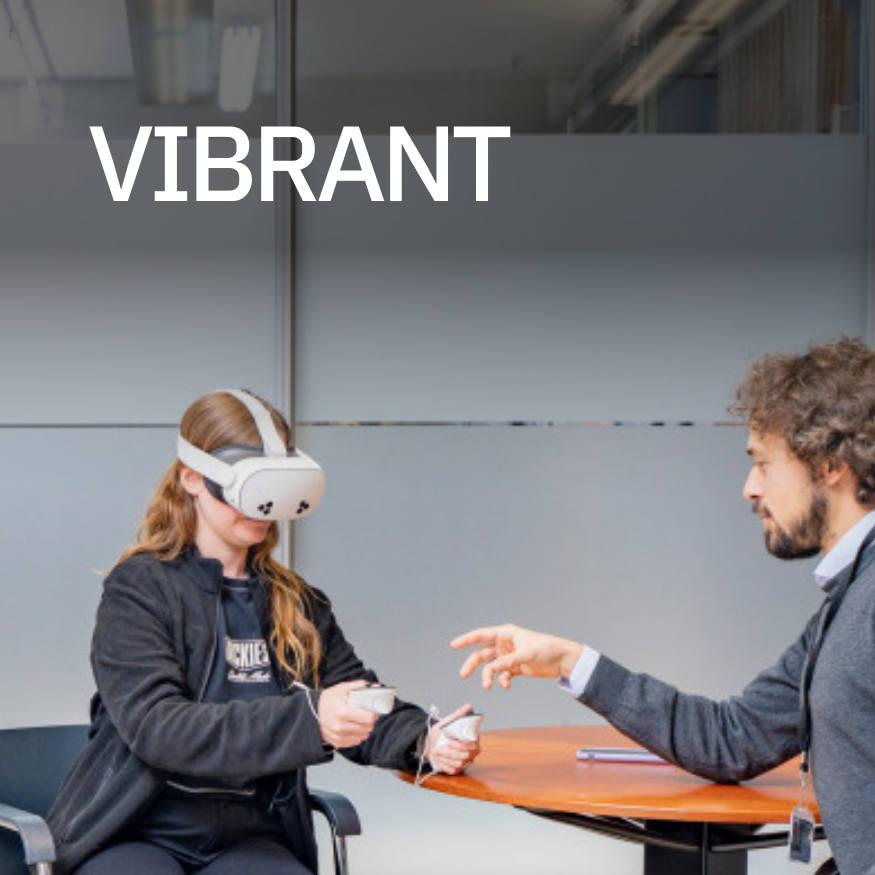
By combining immersive virtual reality with real-time feedback from a person’s own heart-rate patterns, the platform teaches the body and mind to regain balance during moments of stress. This approach can gently retrain emotional regulation circuits and build resilience in a way that feels intuitive and empowering.
Because Vibrant captures both psychological and physiological responses, it has the potential to identify early warning signs and adapt the therapy to each individual’s needs, helping those who have not fully responded to traditional treatments or struggle to access care.
As the platform is refined, tested with patients, and prepared for broader clinical use, Vibrant holds the promise of delivering a safe, evidence-based intervention that can improve daily functioning, reduce anxiety symptoms, and offer young people a sense of confidence and control in their mental health journey.
Dandelion Science is pioneering a new way to care for people with neurological and psychiatric conditions by developing the world’s first generative neuromodulation platform.
Instead of relying on traditional treatments that act broadly on brain chemistry, and can often cause unwanted side effects, Dandelion uses non-invasive, AI-generated sensory stimulation to gently and precisely influence the brain’s network dynamics.
This innovative approach aims to deliver therapies that are more targeted, adaptable, and better tolerated, giving patients safer options that respond to their individual needs.
By programming personalized stimulation patterns on demand, Dandelion Science has the potential to improve symptoms, enhance daily functioning, and offer new hope for those living with neurodegenerative and neuropsychiatric disorders.
dEEGtal Insights is a forward-thinking start-up, dedicated to improving the lives of people affected by epilepsy. By leveraging advanced AI-powered EEG analysis, the company delivers clearer, faster, and more precise insights to neurologists, helping them identify signs of epilepsy earlier, even when they are subtle or easily missed.
This means patients can receive a diagnosis and begin appropriate treatment sooner, reducing uncertainty and the stress that often accompanies long diagnostic journeys. dEEGtal’s technology directly addresses some of the biggest challenges in epilepsy care. It enhances detection accuracy, provides automated medical reporting, and highlights clinically relevant patterns.
By simplifying the reading and interpretation of EEGs, the platform not only boosts diagnostic confidence but also frees clinicians to spend more time focusing on the needs of their patients.
A new approach to neurological and psychiatric care
Driven by a shared vision, the AI-Hub concentrates its efforts on four strategic missions that will steer its development and influence.



Patients will receive care from HUG specialists, including Prof. Stefan Kaiser (Department of Psychiatry) and Prof. Karl Schaller (Department of Clinical Neurosciences), in coordination with the Wyss Center’s AI-guided neuromodulation program. This facility will complement existing brain and mental health consultations at Campus Biotech and allow for the treatment of epilepsy, strokes, depression, and sleep disorders. Patients will have access to cutting-edge diagnostics, therapies, and clinical trials, evaluating new treatments.
focusing on AI-guided neuromodulation to support the emergence of innovative start-ups in this field. Examples of this dynamic environment include dEEGtal, a start-up developing AI-based diagnostic software for early epilepsy detection, and Vibrant, a Wyss Center project that addresses anxiety through virtual reality.
The hub will drive applied research in AI-powered healthcare solutions, particularly for prevention and mental health. It will also develop AI-driven projects to streamline administrative processes, optimize patient care pathways, and improve healthcare management.
The hub will become a meeting place for health professionals, AI experts, and citizens, to raise awareness and reflect on the ethical, scientific and social challenges related to AI in healthcare. It will offer participatory activities including training sessions, townhall discussions and presentations.
The hub will collaborate with the Global Health Institute and the Geneva Digital Health Hub.
A space where science, technology, and care connect
Collaborative space

Institutional partners

Strategic missions



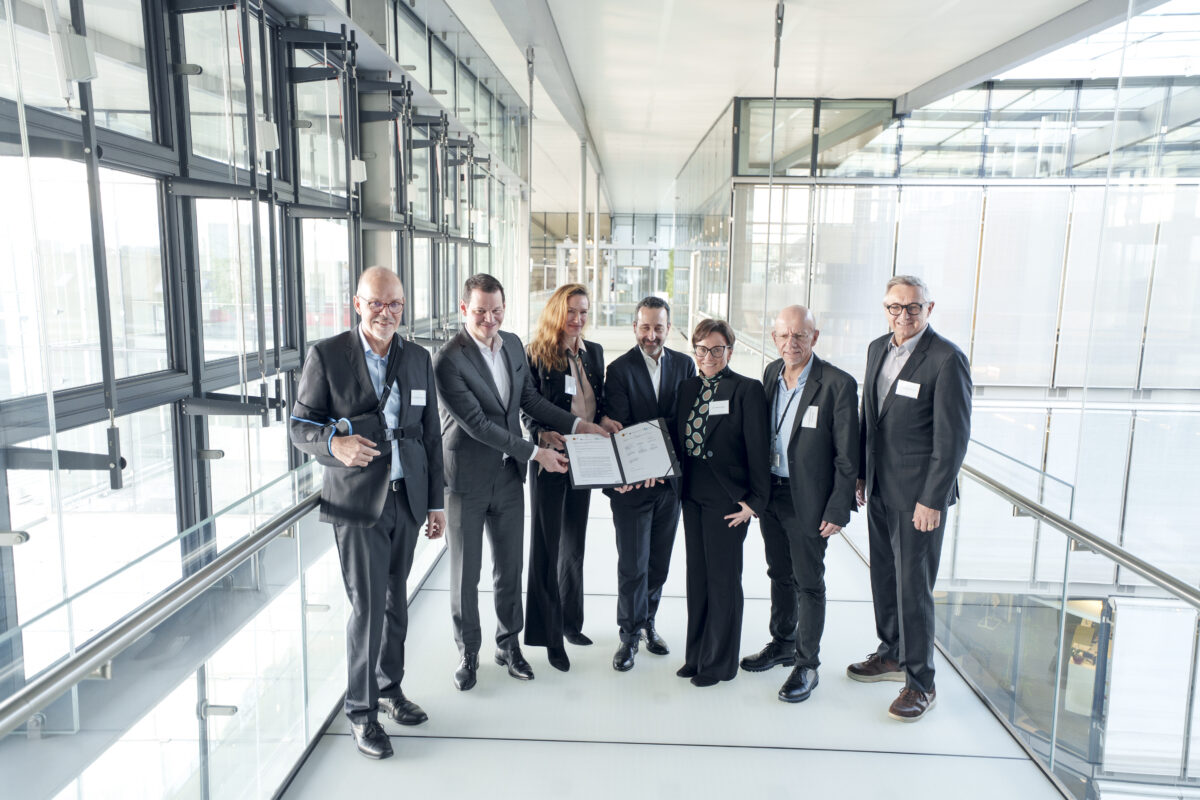




“Geneva is where the future of brain care and the brain economy begins! This collaboration marks a decisive milestone in healthcare, starting in Switzerland and expanding beyond in the long term.”

“This artificial intelligence hub for mental health embodies Geneva’s ambition to innovate and create more accessible, personalized and effective treatments, while ensuring that humanity remains at the heart of technology.”

“The hub provides a tailored environment to bring together AI-related hospital and technological expertise. It fosters synergies between experts in emerging technologies and those who need them.